

For absolute beginners, freelance web developers, and small business owners, launching an online storefront is just the first operational baseline. If you haven’t completed your basic configuration yet, make sure to follow our detailed guide on Shopify Dropshipping Store Setup before diving into scaling phases. The real challenge lies in transforming a basic digital storefront into a highly profitable, self-sustaining brand. While traditional e-commerce relies heavily on huge warehousing costs and upfront inventory management, advanced dropshipping bypasses these roadblocks entirely by utilizing the scalable infrastructure of Shopify.
In this comprehensive optimization blueprint, we will unpack the exact systems required to transition from a casual store setup to an automated, high-margin asset. If you want to bypass surface-level tutorials and build an elite store framework, this advanced execution manual is specifically crafted for your digital journey.
What is Shopify Dropshipping & How Does the Dynamic Model Work in 2026?
The underlying philosophy of successful shopify dropshipping remains simple, but the tactical execution has evolved drastically. To survive and dominate modern search results, you must understand the high-efficiency supply chains running behind the scenes of a modern shopify dropshipping store.
The Operational Workflow: Customer, Store, and Supplier Logistics
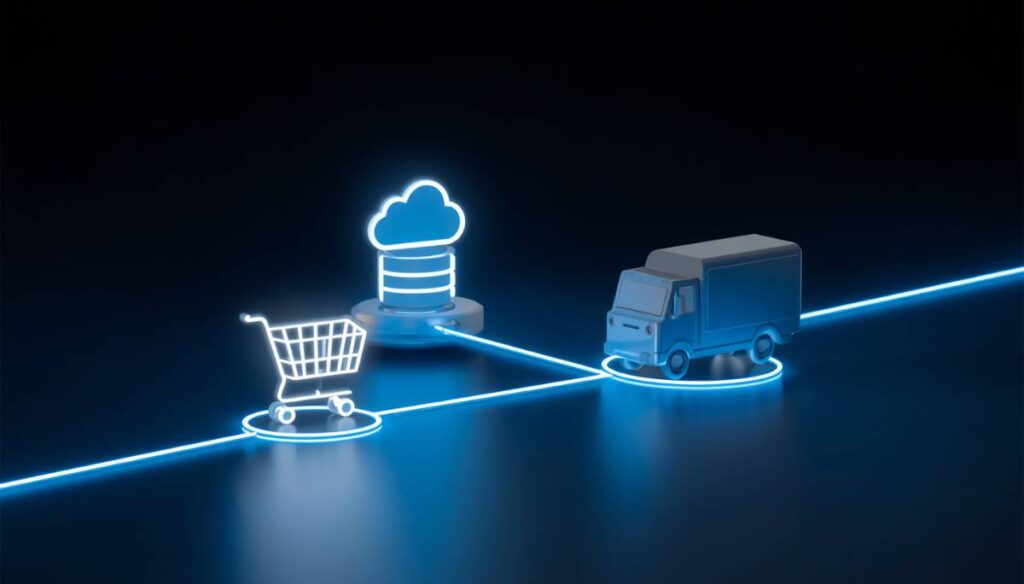
Modern dropshipping functions as a synchronized three-way logistics loop. The architecture relies on automated data syncing rather than manual input:
- The Purchase Trigger: A customer visits your custom store interface and completes a transaction at your designated retail price.
- The Order Routing: Your backend software instantly forwards the shipping directories and baseline wholesale costs to your vetted supplier without manual copy-pasting.
- The Blind Shipping Loop: The supplier packages the item and ships it directly to the end customer using custom tracking labels, ensuring your brand name remains the primary point of contact on the package box.
The Profit Margin Formula: Pricing Products for Sustainable Growth
To build a sustainable business asset, you must break free from tight margins. Your product pricing strategy should account for customer acquisition costs (CAC), application subscription overheads, and merchant gateway processing tokens.
The ideal pricing strategy for dynamic scaling is:
$$Retail\ Price = (Wholesale\ Product\ Cost + Shipping) \times 3$$
Maintaining a healthy margin buffer ensures your enterprise can absorb variations in paid advertising conversion rates while staying highly profitable.
Debunking Myths: Is Dropshipping Still Profitable for New Entrepreneurs?
The common industry misconception is that the market is too saturated for new store launches. The reality is that only low-quality, generic store copies fail. By using highly targeted product pages, leveraging fast global logistics lines, and curating an authoritative layout, independent sellers regularly outperform massive retail index directories. The profitability does not depend on being the first to sell an item; it depends on how efficiently you market its core benefits to an active buying audience.
The Product Research Masterclass: Finding High-Demand Winning Products

Finding success in shopify dropshipping relies heavily on choosing the right products. Instead of guessing what might sell, you should rely on real-time data tracking tools to find winning products for shopify dropshipping that are already in high demand.
Using TikTok Creative Center and Meta Ad Library to Spot Viral Trends
The most efficient way to track real-time consumer demand is by monitoring live advertising spend. By filtering data structures inside the TikTok Creative Center for high CTR video campaigns, you can instantly see which products are gaining rapid traction. Cross-referencing these findings with active funnels inside the Meta Ad Library allows you to verify if competitors are spending heavy budgets on specific variants—providing undeniable proof of a product’s high conversion potential before you spend a single rupee on ads.
Analyzing Market Saturation, Competitor Reviews, and Shipping Constraints
Before importing any product to your main database, it must pass a strict three-point validation test:
- The Saturation Check: Check Google Trends metrics to ensure search interest is either climbing or steady, rather than crashing down.
- The Sentiment Analysis: Read negative reviews on competitor pages to find flaws in their offers that your brand can fix.
- The Shipping Variable: Ensure the product is lightweight, compact, and free from strict customs clearance restrictions to avoid unexpected delivery delays.
Avoid These Dead End Niches: Products with High Return Rates
Many beginners damage their payment processor standing by picking complex items that lead to high refund rates. Stay completely away from unbranded electronics with fragile circuit boards, apparel items with highly variable international sizing charts, and fragile glass decor. Focus instead on unique problem-solving items, emotional impulse buys, or passionate hobbyist gear that naturally enjoys a low return history.
Selecting Elite Dropshipping Suppliers (Beyond Basic Platforms)
Your backend supply chain dictates your customer retention score in competitive shopify dropshipping. To secure fast shipping speeds and excellent package quality, you must partner with dependable partners who understand the logistics of global shopify dropshipping execution.
Vet Testing Suppliers: Communication, Processing Times, and Custom Packaging Options
Before routing real client funds to a factory partner, send a direct technical message to test their responsiveness. An elite supplier must offer a clear communication loop within 12 hours, a maximum product processing window of 48 hours, and the structural capability to include customized packing slips or private label brand tags. This prevents random factory inserts from spoiling your custom presentation.
Automating Order Fulfillment Systems to Prevent Inventory Desync
Manually tracking stock balances across separate foreign supplier platforms will eventually lead to broken orders. Utilize advanced cloud automation bridges like DSers, AutoDS, or specialized private agent API tokens. These applications automatically map your supplier’s live inventory levels to your Shopify system matrix, ensuring that if a supplier runs out of a specific variant, your store page instantly updates to reflect that, preventing unfulfillable sales.
Host vs Supplier Matrix: Choosing the Right Logistics Route
To successfully scale a Shopify framework and build a sustainable business model, you cannot rely blindly on standard shipping routes inside your shopify dropshipping journey. You must visually map and evaluate your sourcing channels based on delivery latency, white-label capabilities, and structural software integrations to maximize the performance of your automated shopify dropshipping framework.
Designing High-Converting Product Pages That Force Users to Buy

Traffic means absolutely nothing if your backend design fails to build immediate consumer trust. Standard product templates look spammy; an elite brand layout requires highly intentional UX elements.
Crafting Persuasive Product Descriptions (Focusing on Benefits over Features)
A major conversion killer is copy-pasting technical feature sheets straight from supplier databases. Instead, apply the psychological Features vs Benefits copywriting framework. Do not just state that a product has a “5000mAh battery block”; explain that it “keeps your devices powered for 48 hours without needing a wall charger.” Address customer pain points immediately within the first two lines of your product description to capture their attention right away.
Implementing High-Quality Dynamic Video Reels and Lifestyle Mockups
Modern buyers do not trust flat, generic studio photos against plain white backgrounds. To boost your conversion rates, use high-definition dynamic video loops showing the product in real-world scenarios. By sourcing real product test clips or creating premium digital lifestyle mockups inside tools like Canva Pro, you create an immersive visual experience that reduces user hesitation and highlights product quality.
Strategic Placement of Trust Badges, Real Reviews, and Clear Shipping Timelines
To maximize checkout completion, you must aggressively lower consumer anxiety:
- Social Proof Placement: Embed verified photo and video reviews directly underneath your primary Add-to-Cart module.
- Security Validation: Display clear, clean SSL trust badges right near the checkout triggers.
- Shipping Transparency: Never hide delivery estimates. State a clear, realistic delivery countdown (e.g., “Ships securely to your doorstep in 7 working days”) to set clear expectations.
Advanced Traffic Generation Strategies: Getting Buyers to Your Shopify Store

Once your store structure is optimized, you need to drive consistent, targeted traffic to your product pages. To master shopify dropshipping traffic loops, you must utilize a balanced mix of paid ads and organic visibility to attract premium global buyers.
Free Organic Traffic: Optimizing Product Pages for Image & Video Search Engine Indexing
To build long-term sustainable traffic without spending all your budget on ads, optimize your platform for organic search engines. Ensure every single product image is compressed into the modern .webp format and includes a descriptive, keyword-rich Alt Text asset. Using clean structured schema markup inside your Shopify theme settings allows search engines to index your price metrics and review scores directly on primary search results pages, generating free, highly targeted clicks.
Paid Marketing: Launching Targeted TikTok Spark Ads and Meta Retargeting Funnels
For rapid validation, paid traffic funnels are essential. Launch TikTok Spark Ads using authentic, user-generated content (UGC) styles rather than corporate commercials. Simultaneously, configure a dedicated Meta Pixel tracking matrix to capture all incoming site visitors. Run custom retargeting campaigns to display dynamic carousel ads to users who added items to their carts but left before completing the purchase, bringing them back to finish checkout.
Micro-Influencer Outreach: Scaling Brand Awareness with Low-Cost Content Partnerships
Instead of spending big budgets on massive celebrity endorsements, partner with micro-influencers who have between 5,000 and 30,000 highly engaged followers. Send them free product samples in exchange for honest video reviews and custom lifestyle clips. This strategy supplies your brand with premium marketing content and drives high-intent traffic to your store at a fraction of the cost of standard media buying.
Maximizing Average Order Value (AOV) and Customer Retention
The true secret to scaling a digital storefront to a 6-figure valuation is extracting more revenue from your existing customer base rather than constantly hunting for new buyers.
Setting Up One-Click Upsells and Frequently Bought Together Bundles

Implement dynamic cross-selling tools directly inside your checkout sequence. By using Frequently Bought Together logic—similar to massive corporate marketplaces—you can naturally encourage users to add matching accessories or premium extended warranties to their carts. Offering a discounted One-Click Post-Purchase Upsell right after the initial transaction allows you to scale your average order value instantly without adding any extra marketing cost.
Recovering Lost Revenue: Advanced Abandoned Cart Email & SMS Sequences
Statistically, over 65% of checkout cycles are abandoned midway through. To reclaim this lost revenue, build a continuous, multi-step recovery flow using automated marketing apps:
- Hour 1 Trigger: Send a helpful automated email asking if there was a technical glitch during checkout, keeping the tone light and supportive.
- Hour 12 Trigger: Send a high-priority SMS alert offering a time-sensitive 10% discount code to encourage them to complete their order.
- 24-Hour Final Call: Send a final email warning that the cart reservation token is expiring and stock limits are running low to create a sense of urgency.
Final Verdict: The Roadmap to Building a Long-Term E-Commerce Brand

Shopify dropshipping remains one of the most powerful, low-risk launchpads for entering the global e-commerce market. However, the days of running lazy, unoptimized storefronts are completely gone.
To achieve long-term success, you must treat your store as a premium asset: select elite suppliers, automate your inventory management, optimize your pages for maximum conversions, and build consistent traffic channels. By following the advanced strategies in this blueprint, you will be well on your way to transforming a basic setup into a highly profitable, scalable e-commerce brand.
Frequently Asked Questions (FAQs) About Shopify Dropshipping
How much upfront budget do I realistically need to start dropshipping in 2026?
While opening a basic Shopify store is highly affordable, you should realistically budget between ₹20,000 and ₹40,000. This capital allows you to secure premium testing domains, run targeted testing ad campaigns, pay for automation apps, and cover initial sample product testing costs safely.
How do I handle product returns and customer refund requests efficiently?
Set up a clear, transparent return policy page on your store. If a customer receives a damaged item in your shopify dropshipping store, have them upload a short video proof clip. Instead of paying expensive international return shipping fees back to foreign factories, utilize standard shopify dropshipping return strategies and have your supplier ship out a fresh replacement block instantly.
Do I need a registered company or business license before opening my store?
No, you can comfortably launch your operational store setup as a standard sole proprietor during the initial concept testing phase of shopify dropshipping. However, once your traffic scales up and your daily transaction volumes increase consistently, you should register a corporate entity to protect your shopify dropshipping business asset.
How can I compete with fast shipping platforms like Amazon or Temu?
Do not try to compete purely on shipping speeds or low wholesale prices when scaling shopify dropshipping. Win by curating an exclusive brand experience, building hyper-targeted content assets, bundling unique accessories together, and offering excellent, personalized customer support that massive, generic retail directories running standard shopify dropshipping setups simply cannot match.
Which international payment gateways are best for global scaling?
For seamless global order processing, integrate robust merchant processors like Stripe, PayPal, and Shopify Payments. Ensuring your platform features dual-currency conversion modules allows international buyers to complete checkouts in their home currencies without facing unexpected foreign exchange fees.