
In the highly competitive landscape of search engine optimization, basic data metrics are no longer sufficient to secure top-tier organic rankings. While casual content creators rely on surface-level metrics like basic search volume and standard domain authority scores, professional digital agencies and elite enterprise marketers understand that true search dominance requires granular, actionable intelligence. Navigating the modern search ecosystem means executing precise database queries, identifying algorithmic patterns, and building comprehensive marketing models. This is exactly where mastering a premier market intelligence ecosystem like semrush transforms your day-to-day workflow from guesswork into predictable, data-driven organic scaling.
Operating as a comprehensive digital marketing platform, this enterprise software suite houses a massive database that updates in real time to map global search behaviors. However, many website owners only scratching the surface by using its standard search input panels for basic keyword discovery. To truly outmaneuver aggressive search competitors and command your industry vertical, you must leverage the specialized analytical layers embedded deep within the software interface. From calculating contextual semantic keyword relationships to monitoring sudden search engine volatility spikes, utilizing advanced tool modules allows you to build a highly optimized content system. This detailed guide breaks down ten sophisticated framework workflows designed to maximize your visibility, streamline your backlink outreach pipelines, and accelerate your organic traffic growth.
Beyond Basic Keyword Research: Why Advanced SEO Tools Matter
Relying solely on high-volume root search terms is an outdated strategy that often results in wasted crawl budgets and stagnation in hyper-competitive niches. Modern ranking engines utilize sophisticated contextual vectors, machine learning schemas, and search intent classification systems to determine the true value of a web page. Consequently, your operational strategy must shift away from broad targeting parameters toward identifying highly specific transactional sub-queries and addressing subtle user needs. Implementing a sophisticated optimization workflow helps you discover localized search patterns, map out complete topical hierarchies, and systematically address technical code vulnerabilities before search bots index them. By utilizing the full analytical power of semrush, you can effortlessly decode these semantic patterns and outrank your target niche.
Furthermore, advanced competitive analysis allows you to view your entire digital landscape with complete clarity. Instead of trying to guess which promotional tactics or backlink profiles are boosting a competitor’s visibility, enterprise analytical engines allow you to map their complete structural framework. You can accurately measure their real-time paid traffic expenditures, identify their highest-converting transactional content assets, and locate structural keyword content gaps that you can exploit. This level of precise market data ensures that every blog post you write, every internal linking structure you build, and every backlink asset you pursue is fully optimized for maximum conversion performance and structural search authority.
Top 10 Advanced Semrush Features You Must Master
To maximize the return on investment of your software license, you must dive past the standard dashboard views and explore the dedicated architectural tool modules. These ten advanced configurations represent the absolute peak of modern search intelligence and site execution tools. When you learn to execute these advanced methodologies inside your semrush workspace, your workflow completely shifts from basic adjustments to data-backed market dominance.
1. The Keyword Gap Tool (Spying on Competitors)
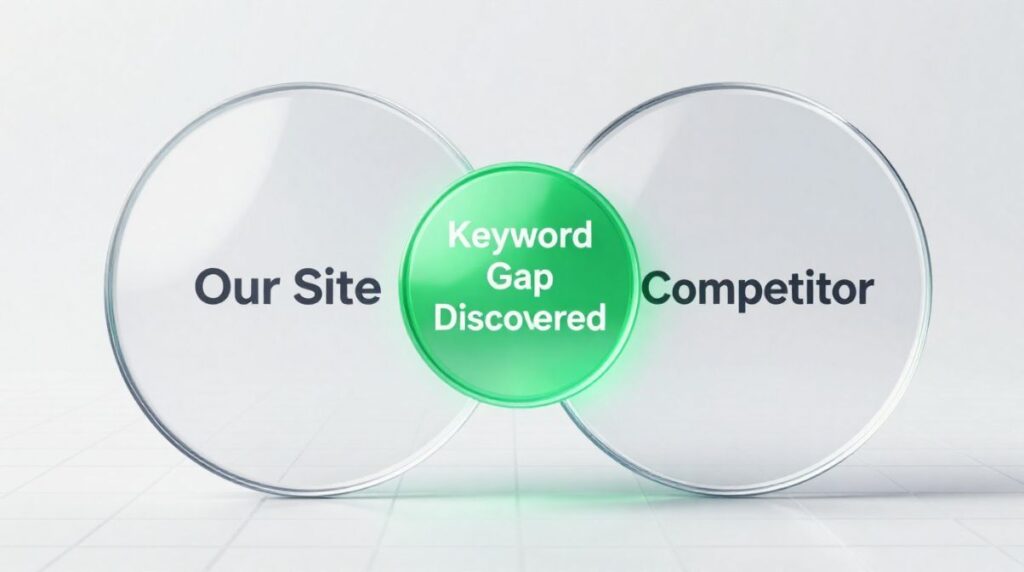
The absolute fastest method to capture immediate market share is to run an exhaustive comparative intersection analysis against your primary industry rivals. The Keyword Gap tool allows you to input up to five competitor domains simultaneously alongside your own root URL to map complete keyword landscapes. The underlying analytics engine isolates precise classifications such as “Missing,” “Weak,” or “Untapped” search terms. This reveals highly valuable keyword subsets that are generating massive organic traffic for multiple rival properties while your own domain remains completely unranked for those queries. Targeting these pre-verified data segments allows you to map out your content calendar with strategic precision, building articles that fill structural holes in the market and redirect traffic straight to your platform.
2. Backlink Gap Analysis
While high-quality text assets form the foundation of on-page optimization, clean authority signals from external sources drive long-term structural search engine success. The Backlink Gap configuration maps out a detailed cross-reference grid identifying specific high-authority referring domains that are consistently linking out to your competitors but have never linked to your own platform. Instead of wasting resources on blind cold-email outreach campaigns, this data provides a pre-qualified list of prospective domains that are already highly active within your industry niche. By analyzing why these external properties are linking to your rivals, you can execute precise link-building outreach strategies to secure identical or superior authority placements.
3. Site Audit & Core Web Vitals Tracker

Even the most valuable, well-written article can fail to rank if underlying structural issues drag down your server response times. The advanced Site Audit suite scans your entire domain architecture against more than 140 technical health checkpoints, directly reporting on critical items like internal redirect loops, broken JavaScript files, and crawl budget leaks. Crucially, the system features a dedicated Core Web Vitals tracker that integrates directly with live performance variables. This gives developers precise, actionable recommendations to fix Largest Contentful Paint (LCP) delays, clear out render-blocking elements, and clean up slow DOM elements. This level of optimization ensures your pages load flawlessly alongside speed tools like Litespeed Cache. However, even the best optimization requires a powerful backend server configuration—make sure to read our complete [Hostinger performance guide] to choose the right hosting setup for maximum technical stability.
4. Position Tracking & Volatility Alerts (Sensor)

Search ranking environments are incredibly fluid, with performance markers fluctuating daily due to competitors refreshing content or Google running core algorithm updates. The advanced Position Tracking infrastructure lets you monitor your precise keyword rankings down to specific zip-code locales and dynamic mobile device formats. Combined with the Sensor interface, this module calculates a daily market-wide volatility score across distinct industry segments. If a massive algorithm shift occurs, the system flags the anomalous volatility levels immediately. This allows you to quickly distinguish a standard tracking variation from a major systemic engine update, so you can adapt your on-page strategies before your traffic drops.
5. Organic Research: Competitor Traffic Analytics
Understanding the overall health of a competitor’s domain requires looking past basic rank checking to map out their historical growth trends. The Organic Research engine provides an extensive look at any domain’s traffic flow, charting their keyword volume curves, identifying seasonal performance drops, and mapping out their highest-converting entry pages. By analyzing these core domain footprints inside semrush, you can accurately map their top money pages. By tracking which specific URLs capture the largest share of a competitor’s organic traffic, you can break down their operational conversion models.
6. Content Analyzer & SEO Writing Assistant

Creating search-optimized copy requires balancing natural readability with algorithmic data requirements. The advanced SEO Writing Assistant acts as an interactive, real-time grading interface that integrates smoothly into standard content creation workflows. As you write, the module cross-references your text against the top ten ranking pages for your target query, assessing your keyword density levels, checking readability scores, and flagging structural flow issues. This comprehensive integration is a massive benefit of deploying semrush for content intelligence frameworks. It highlights missing semantic variations, alerts you to potential keyword stuffing, and scores overall content optimization before you publish. This ensures your final draft is structurally optimized for modern semantic search algorithms.
7. Link Building Tool & Outreach Automation
Building a high-quality link profile involves a massive operational workflow, from locating prospects to tracking ongoing email conversations. The dedicated Link Building tool streamlines this entire process by gathering targeted outreach leads based on your specific keywords and top competitor profiles. It then provides an integrated email management suite where you can launch automated outreach sequences using customized, niche-specific templates. The tool tracks your overall delivery performance, reports opened emails, and monitors your gained backlinks automatically. This drastically reduces the time it takes to manage multi-tiered link-building campaigns. Managing your authority campaign through the native semrush link manager simplifies your entire digital marketing strategy.
8. Keyword Magic Tool (Advanced Filters)

While most users only use this core module for basic searches, the true power of this keyword database lies in its advanced logical filtering systems. By applying custom filters, you can isolate low-competition informational terms with high-converting search intent. You can filter out keywords that include unwanted brand terms, sort results by precise search intent markers (Transactional, Informational, Commercial), or target a very specific Keyword Difficulty (KD%) range. Additionally, you can filter for terms that trigger specific SERP features like Featured Snippets or People Also Ask boxes. This level of granular targeting lets you find low-competition long-tail keywords that can generate quick traffic wins for your domain.
9. Domain Overview: Historical Traffic Analytics
Looking only at current data snapshots can mask long-term trends and cyclical traffic patterns. Accessing historical traffic analytics gives you a deep-dive look at a domain’s search performance dating back multiple years. This long-term perspective is incredibly valuable for vetting potential client websites, evaluating premium domains, or analyzing how older competitors recovered from past algorithmic updates. You can track how a competitor’s traffic shifted across major core updates, see when they pivoted their primary content strategies, and analyze their long-term growth history. This data helps you build more resilient, future-proof SEO strategies.
10. PPC Keyword Tool & Advertising Insights
A well-rounded search strategy looks at both organic results and paid visibility options. The advanced PPC Keyword module lets you look inside your competitors’ active ad campaigns, pulling down their exact ad copy variations, landing page links, and target cost-per-click (CPC) values. This commercial intelligence gives you deep insight into which keywords are driving actual revenue for your rivals, as businesses rarely keep spending money on paid ads that don’t convert. Analyzing these commercial intent streams via semrush helps you pivot your organic structural mapping accurately. By identifying these highly profitable commercial keywords, you can prioritize them in your organic content plans, letting you capture high-value transaction-ready traffic without paying for premium ad placements.
How to Combine These Advanced Features for Maximum Traffic Growth
o unlock the full power of semrush, you shouldn’t treat these tools as isolated features. Instead, you need to combine them into a single, cohesive workflow engine. Your strategy should start with the Keyword Gap module to find your competitors’ primary content gaps. Once you pinpoint these high-value, unranked keywords, pass them through the Keyword Magic tool’s advanced search intent filters. This step lets you refine the list down to long-tail queries that carry strong buyer intent and low difficulty scores. From there, use the SEO Writing Assistant to guide your content creation, ensuring your text hits ideal readability levels and includes all necessary semantic variations right from the start.
Once your content is live, transition into the promotional and technical tracking phase. Plug your newly published URLs into the Position Tracking monitor to watch your daily rank changes and spot any algorithm shifts early. At the same time, open the Link Building tool to launch targeted outreach campaigns to the referring domains you uncovered during your Backlink Gap analysis. Finally, keep your technical foundation strong by running weekly automatic Site Audit checks to clean up broken links, optimize crawl budgets, and maintain ideal site health scores. This loop ensures every piece of content you publish is built on solid data, optimized for search engines, and primed for long-term growth.
Conclusion: Turning Data Into Traffic Dominance
Building a long-term, high-traffic web platform requires moving past basic search tracking metrics and adopting a highly analytical approach to keyword data and platform architecture. Surface-level SEO tactics might bring in minor traffic blips, but lasting organic growth is built on deep competitive analysis, clean technical site performance, and precise semantic content structures. Utilizing a comprehensive marketing ecosystem like semrush gives you the data engine needed to accurately map out your search landscape, find hidden keyword opportunities, and stay ahead of algorithmic updates with complete confidence.
By mastering advanced tools like keyword gap mapping, real-time writing optimization, and automated link building, you can take complete control of your search visibility. This systematic approach ensures that every article you publish, every link you build, and every code fix you make is fully optimized to maximize your search rankings. Stop relying on outdated tactics and guessing what works. Use high-level search intelligence to build a strong, high-performance web asset that commands your niche and scales your online business safely over time.
FAQs: Mastering Advanced Semrush Workflows
Q1: Do I need a Guru or Business tier subscription to access these advanced tool modules?
While a standard Pro tier license gives you access to core analytics engines and basic reporting tools, unlocking advanced modules like Historical Data tracking, the Content Analyzer plugin, and deep API integrations requires transitioning to the Guru or Business tier. The Guru tier is generally the sweet spot for growing digital agencies and active freelance portfolios, as it provides a much larger database tracking limit alongside full access to historical performance records.
Q2: How often should I run the automated Site Audit feature to monitor technical errors?
For active blogs and expanding e-commerce properties, scheduling your technical site audits to run automatically once a week is highly recommended. Setting up this automatic reporting sequence within your active semrush project dashboard ensures that common technical problems—like broken image paths, duplicate meta elements, crawl errors, or broken internal links—are caught early. This consistency flags critical structural errors before search engine spiders scan your site and negatively adjust your technical index health score.
Q3: Can the SEO Writing Assistant handle content optimization directly within WordPress?
es, the writing assistant includes a dedicated, official plugin that integrates directly into your native WordPress block editor workspace. Once connected via your secure account authorization token, the optimization grading panel displays right next to your Gutenberg editor screen. This allows you to track keyword density levels, readability scores, and structural semantic recommendations in real time as you write, without needing to jump back and forth between different open browser tabs.
Q4: What is the benefit of tracking keyword difficulty (KD%) alongside search intent flags?
Tracking the exact keyword difficulty percentage alongside specific search intent tags prevents you from spending weeks creating content for keywords that are nearly impossible to rank for or that bring in irrelevant traffic. By filtering for a low keyword difficulty score (under 30%) combined with a clear “Commercial” or “Transactional” intent flag, you can easily find valuable keywords that load quickly into search results and bring ready-to-buy users straight to your platform. This intent-filtering logic is exactly what makes keyword extraction via semrush so effective for new websites.
Q5: How do Keyword Gap metrics differ from standard keyword search tools?
Standard search tools show you broad, global data metrics for a single term, like total search volume or generic ad bids. In contrast, the Keyword Gap tool provides direct, site-specific comparative data by cross-referencing your actual domain against your closest live competitors. It filters out irrelevant keywords to show you the exact terms where your rivals are successfully capturing market share while your site is completely missing out on those impressions.