

In the modern digital landscape, establishing a robust online presence is no longer optional—it is a critical necessity for businesses, creators, and entrepreneurs alike. Whether you are launching an e-commerce storefront, building a professional portfolio, or setting up a personal blog, your digital journey begins with a single foundational element: a domain name. A domain name is your unique digital address, the precise location where global audiences can interact with your brand.
When it comes to securing this digital real estate, GoDaddy stands out as one of the world’s largest, most recognizable, and highly trusted domain registrars. Managing tens of millions of domains globally, it offers an intuitive platform tailored for both absolute beginners and seasoned web professionals. However, navigating the registration pipeline effectively while avoiding unnecessary add-ons requires a strategic approach.
This comprehensive guide will walk you through the entire lifecycle of godaddy domain name registration. By the end of this blueprint, you will understand exactly how to research, select, and register domain name godaddy protocols seamlessly while optimizing your expenses and safeguarding your digital assets.
Why Choose GoDaddy for Your Domain Name Registration?

Before diving into the technical mechanics of buying a domain, it is essential to understand why millions of webmasters consistently choose this platform for their primary godaddy domain name registration. Selecting a registrar isn’t merely about finding the lowest introductory price; it involves evaluating long-term security, core DNS infrastructure, uptime reliability, and expert customer care throughout your entire godaddy domain name registration journey.
- Global Trust and Authority: As an industry pioneer, GoDaddy’s infrastructure is incredibly mature. Their robust DNS servers ensure that your domain resolves instantly anywhere across the globe without latency issues.
- Streamlined Technical Ecosystem: GoDaddy provides a cohesive environment. Once your domain is registered, you can effortlessly scale into managed WordPress hosting, WooCommerce setups, professional business emails, and SSL certificates directly from a unified dashboard.
- Advanced Security Enhancements: From basic WHOIS privacy protections to advanced DNSSEC protocols, the platform safeguards your domain from unauthorized hijacking attempts and identity theft.
- Local Payment Methods: Unlike some global registrars that strictly demand international credit cards, GoDaddy natively supports diverse local payment channels, including localized internet banking, localized credit/debit networks, and modern mobile UPI interfaces.
Step-by-Step Guide for GoDaddy Domain Name Registration
Let us break down the exact technical process of executing a flawless go daddy domain registration. Follow these explicit phases to secure your brand address securely.
Step 1: Conduct a Strategic Domain Search
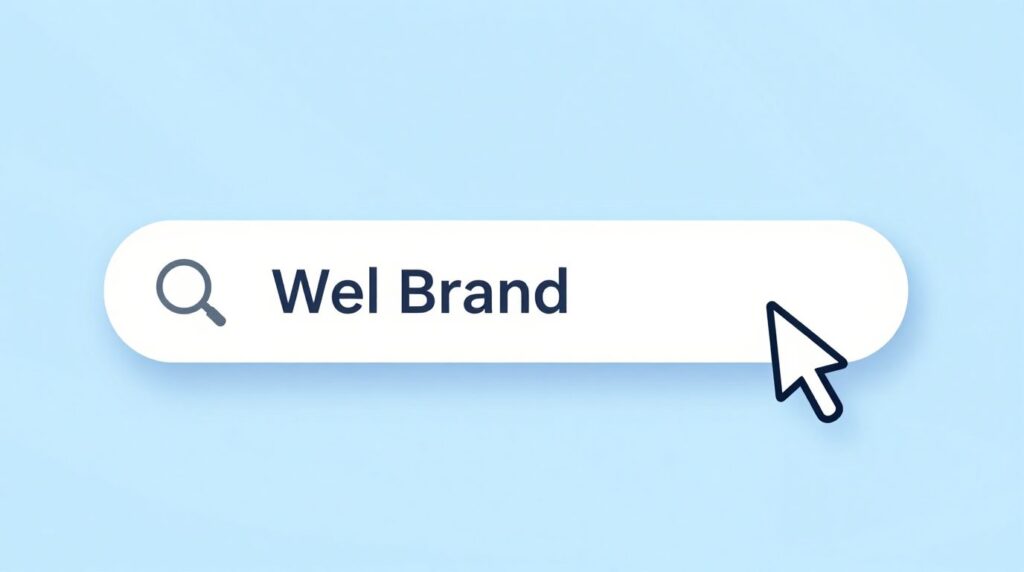
The journey begins at the official GoDaddy homepage. Positioned prominently at the center of the interface is the primary Domain Search Bar, which serves as the starting point for your official godaddy domain name registration. Enter your desired brand name or target keyword phrases into this box and execute the search command to begin the official godaddy domain name registration validation process.
The system will instantly communicate with global registry databases to check availability. If your ideal phrase is available, you will receive a green confirmation notification displaying the initial pricing structure. If it is already claimed, the smart search engine will dynamically generate a highly relevant list of alternative variations, matching your input with fresh premium extensions such as .net, .org, .co, or niche tech domains.
Step 2: Evaluate Pricing and Alternative TLD Extensions
When you look at the pricing screen, pay close attention to the full breakdown. The bold price displayed is typically an introductory promotional discount applicable if you commit to a multi-year lease. Always check the standard renewal rate listed in smaller text directly below the promotional banner to prevent unexpected expenses during subsequent billing cycles.
Step 3: Add to Cart and Configure Essential Protections
Click the prominent “Add to Cart” button next to your chosen domain name. Once selected, click “Continue to Cart.” Before entering the payment checkout pipeline, GoDaddy will present you with a crucial configuration screen regarding privacy and security.
This is where you must configure your godaddy private domain registration options. By default, every registered domain name must have its ownership data registered with the global ICANN WHOIS directory, making your phone number, physical address, and email visible to public scrapers, leading to endless spam. Activating GoDaddy’s privacy protection masks your personal information with proxy data, keeping your inbox clean and secure.
Step 4: Create a New GoDaddy Account

If you are a new customer, the system will prompt you to complete the secure dashboard setup before finalizing your godaddy domain name registration process. You can seamlessly set up your identity via three secure paths to complete your registration account profile.
- Linking your active Google Workspace Account.
- Authenticating via your Facebook Profile credentials.
- Constructing an independent profile using a unique Email Address combined with a strong, complex password configuration.
Ensure that the administrative email address you use is highly secure and frequently checked, as all critical renewal alerts, ICANN verification emails, and legal ownership data transfers will route exclusively through this specific account channel.
Step 5: Finalize Billing and Secure Checkout
In the final phase, review your complete shopping cart configuration. Verify the domain spellings carefully to ensure no typos are present, as domain purchases are instantly processed and non-refundable across global registries. Choose your preferred registration period (ranging from 1 year up to 10 years) and select your payment method. Once you click “Complete Purchase,” your domain will be immediately reserved under your account ownership.
Advanced Domain Strategies: Bulk and Private Registrations
As you scale your online business or digital agency hub, your master management blueprint will naturally mature past single-domain acquisitions. Successful web developer experts frequently utilize advanced tactics during their massive godaddy domain name registration schedules to guard market share and flip premium real estate asset portfolios globally.
Maximizing Reach with GoDaddy Bulk Registration
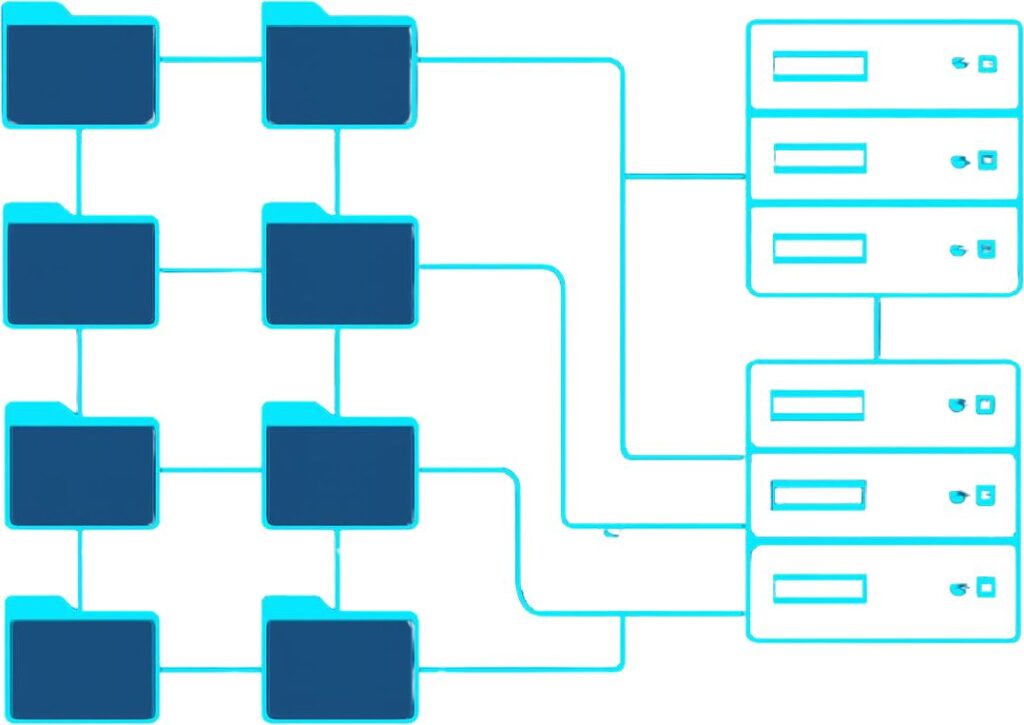
If you are building an expansive corporate footprint or defending an enterprise brand, registering just a single .com variant is often insufficient. Competitors or typosquatters can easily buy similar names to divert your traffic. This is where godaddy bulk registration solutions become essential.
The bulk domain tool allows you to input up to 500 distinct domain names simultaneously into a centralized search field. With a single click, you can analyze availability across multiple combinations and extensions. This enables agencies to instantly register primary brand variations, common phonetic misspellings, and geographical domain extensions simultaneously, saving hours of manual searches and qualifying the order for wholesale bulk discounts.
The Critical Importance of Domain Privacy Protection

Investing in privacy features shouldn’t be an afterthought. When you bypass premium protection protocols, your registered home address, personal phone number, and official name are instantly broadcasted on global lookup tools. This exposure leaves your domain vulnerable to targeted social engineering phishing emails, spam calls from unsolicited agencies, and potential domain hijacking attempts. Activating proxy protection shields your digital identity completely, routing all external communication through a generic administrative relay system while keeping full ownership rights firmly in your hands.
Post-Registration Checklist: Next Steps for Success
Securing your domain name is an exciting milestone, but it represents the foundation of your digital architecture. To turn that raw domain into a fully functional, high-traffic asset, complete these essential steps immediately after checkout:
- Verify ICANN Contact Information: Within minutes of buying your domain, check your inbox for an official verification email from GoDaddy. Click the verification link immediately to confirm your contact details. If you miss this step within the first 14 days, ICANN rules require the registrar to temporarily suspend the domain.
- Point Nameservers to Your Hosting Provider: If you use external hosting, log into your GoDaddy DNS Management dashboard. Locate the Nameservers section, select “Change Custom Nameservers,” and enter the specific DNS strings provided by your host. This links your new domain address to your web servers.
- Configure Professional Domain Emails: Avoid launching an online brand with a generic email address. Set up a professional custom email configuration linked directly to your domain to build trust and authority with your audience.
- Initialize Google Search Console and Analytics Tracking: Add your new domain as a domain property within Google Search Console to monitor performance, manage sitemaps, track keyword rankings, and resolve indexing issues.
Essential Custom Settings After GoDaddy Domain Name Registration
nce the foundational godaddy domain name registration sequence finishes, your domain gets hosted inside a centralized product management dashboard. Navigating this interface cleanly gives you full control over how the domain communicates with worldwide server clusters. To add extreme value to your infrastructure setup, let us uncover three advanced configurations every modern webmaster must monitor.
Managing Advanced DNS Records for Third-Party Scalability
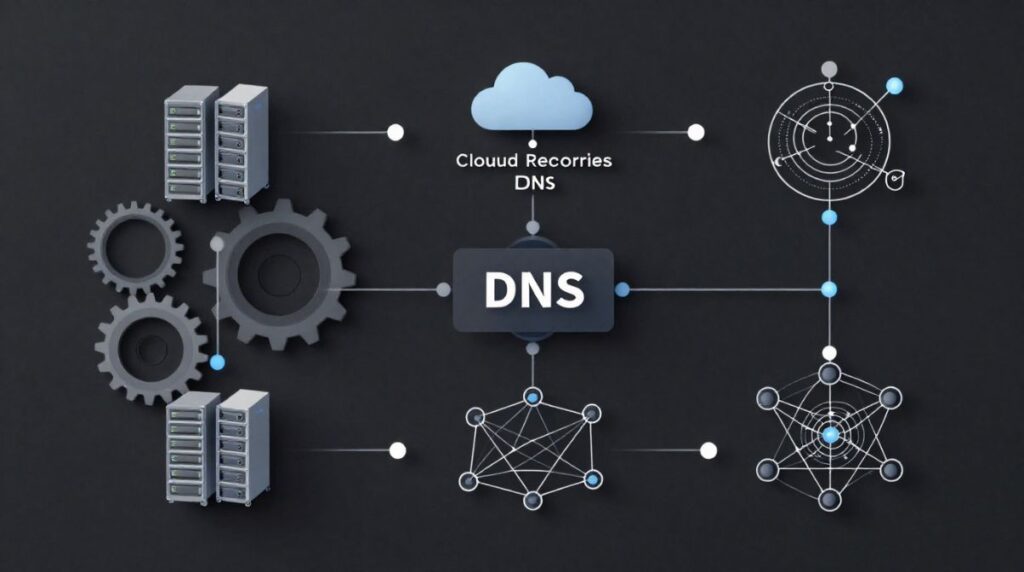
When you execute a clean go daddy domain registration, your default DNS routing system automatically relies on native name management maps. However, what happens if you plan to launch customized applications on independent specialized networks, cloud networks, or global content delivery interfaces? You will need to edit specific Zone Files manually.
- A Records (Address Records): This foundational parameter maps your clear text name straight to a dynamic or static IPv4 web address, pointing web visitors to your designated server partition.
- CNAME Records (Canonical Name): Essential for constructing alias subdomains. For instance, creating a subdomain like
shop.yourdomain.comrouting to an external commerce processor requires a custom CNAME entry inside the table. - MX Records (Mail Exchanger): If you decide to decouple your email systems from your web hosting and leverage customized communication suites like Google Workspace, updating the priority values inside the MX record rows ensures messages routes perfectly without dropouts.
Configuring Auto-Renewal Triggers to Avoid Expiration Risks
One of the biggest security mistakes digital asset managers make after completing their initial godaddy domain name registration is failing to configure payment automation triggers properly. To safeguard your modern digital investments right after your official godaddy domain name registration, click the Settings button inside the active dashboard rows.
To safeguard your investments, click the Settings button inside the active domain inventory rows and verify that Auto-Renew is explicitly flipped to “Enabled.” Additionally, maintaining multiple valid fallback payment methods inside your unified godaddy register billing wallet prevents transaction failure if an individual card expires unexpectedly.
Utilizing Domain Forwarding and Subdomain Architecture
Sometimes, managing a digital marketing network requires maintaining alternative peripheral brand destinations. GoDaddy allows you to handle redirection maps at the registrar level without wasting premium host memory allocations:
- Domain Forwarding: You can instantly guide visitors landing on your secondary
.netor.orgvariants straight to your core.comauthority platform using clean permanent301 Redirectparameters. - Subdomain Allocation: You can partition your primary address space into distinct functional divisions like
blog.yourdomain.comordev.yourdomain.com, each utilizing independent directories while contributing to your primary domain authority.
Common Traps to Avoid During GoDaddy Domain Registration
Navigating checkout windows can sometimes feel overwhelming due to dynamic add-ons. To keep your initial deployment lean and maintain low overhead, keep these critical tips in mind:
- Skip Premium Email Trials If Using Specialized Suites: The checkout wizard frequently bundles introductory trials for intermediate mailboxes. Skip these add-ons if you already intend to deploy advanced business packages.
- Decline Pre-packaged Website Builder Upsells: If you plan to deploy professional custom themes on managed systems, turn down secondary proprietary tools to save budget. Instead, you can design stunning custom pages layouts using an advanced page builder—check out our complete [Elementor tutorial] to build custom sites easily.
- Double-Check Your Chosen Lease Duration: The cart window dynamically adjusts prices based on term lengths. Manually select the exact duration that aligns with your timeline before hitting the final submit button.
Conclusion: Take Action and Secure Your Digital Future
Executing a proper godaddy domain name registration is the defining first step toward building a successful online presence. By choosing a memorable name, protecting your personal data with WHOIS privacy, and avoiding unnecessary checkout upgrades, you set your website up for long-term growth and security.
Do not wait for a competitor to discover your niche and claim your ideal name. Use this step-by-step roadmap, head over to GoDaddy, and secure your domain name today to establish your unique space on the web!
Frequently Asked Questions (FAQs)
Q1: What is the typical godaddy domain registration cost for standard extensions?
The foundational cost of a standard .com domain generally ranges between $9.99 and $19.99 per year, depending on active seasonal promotions, coupon integrations, and the registration length. Niche TLD extensions like .ai or .io carry premium baseline prices.
Q2: How does the go daddy domain price scale over multi-year renewals?
Introductory rates apply strictly to the initial purchase term. Upon expiration, your domain automatically renews at the standard, non-promotional price. Reviewing these standard renewal parameters inside your dashboard helps avoid billing surprises after completing your initial godaddy domain name registration cycle.
Q3: Can I transfer a domain registered on GoDaddy to another external provider?
Yes, you maintain full portable ownership rights. ICANN rules state you can transfer your domain to any alternative registrar after a standard 60-day holding period following your initial godaddy domain name registration or major contact updates.
Q4: What happens if I accidentally let my domain registration expire?
If automatic renewal fails, GoDaddy provides a grace period where you can renew the domain at standard costs. If missed, it moves into a redemption phase where recovery requires an extra fee before eventually heading back to public auction.
Q5: Can I change ownership details after completing the godaddy domain name registration?
Yes, you can update your contact card and ownership parameters at any time directly through your account dashboard. Simply navigate to your domain settings panel after finishing your godaddy domain name registration, select the edit contact info option, and save the updated administrative details to refresh the global directory registries instantly.